Observing Guide
Perseids 2026: Peak August 12-13 Under a Dark Sky
The most dependable meteor shower of the year peaks on the night of August 12 into the morning of August 13, 2026, and the moon stays out of the way. Here is how to plan a productive night from coastal Maine.
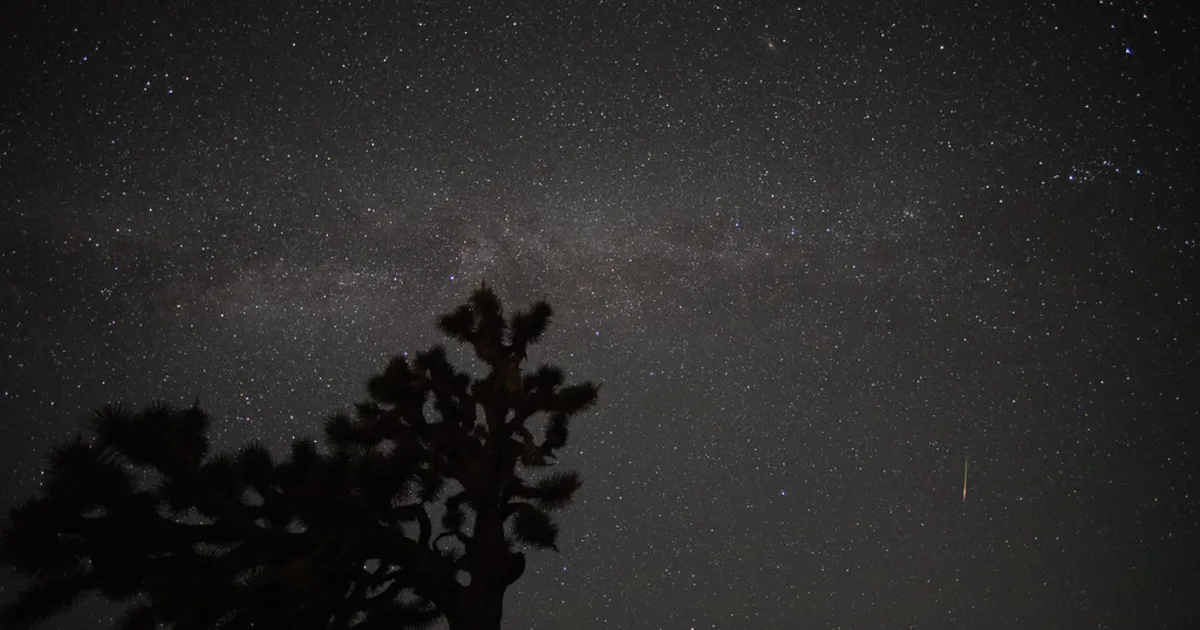
If you watch only one meteor shower this year, make it the Perseids. They are warm-weather, reliable, and rich in bright meteors, which is a rare combination for observers in the northern United States. In 2026 the shower reaches its peak overnight on August 12 into the early hours of August 13, and conditions are favorable because the moon is near its new phase and will not wash out the fainter streaks.
The Perseids are debris shed by Comet 109P/Swift-Tuttle, a comet that loops through the inner solar system roughly every 133 years. Each August, Earth plows through the trail of dust it has left behind, and those particles burn up high in the atmosphere as the meteors we see. Because the geometry repeats every year, the Perseids are one of the surest dates on the observing calendar.
When to watch in 2026
The American Meteor Society lists the Perseid peak for the night of August 12 to 13, though the shower is active for weeks on either side. The best hours are after local midnight and into the pre-dawn, when the radiant in Perseus climbs high in the northeast and Earth is turning into the debris stream head-on.
- Peak night: evening of August 12 into the morning of August 13, 2026.
- Best hours: roughly 1:00 AM until the first light of dawn.
- Moon: a slim crescent near new phase, leaving the sky genuinely dark.
How to watch
Meteor watching needs no telescope or binoculars. Your eyes, a wide view, and patience are the whole kit. The single biggest factor is your sky: get away from town lights if you can. Our guide to choosing binoculars is for the rest of the year, because meteor watching is the one night you should leave the optics in the bag.
- Give your eyes at least 20 to 30 minutes to dark-adapt, and avoid white phone screens.
- Lie back on a reclining chair or a blanket so you can take in a large swath of sky.
- Dress warmer than you think you need. Even August nights on the coast turn cool and damp.
- Be patient. Meteors come in clumps, so a quiet ten minutes can be followed by a flurry.
A note for newcomers
If this is your first deliberate night under the stars, the Perseids are a forgiving place to start. There is nothing to find and no equipment to fumble with in the dark. If you enjoy it and want to go further, our beginner stargazing guide covers learning the constellations and choosing first gear.
Why the moon matters so much
The reason 2026 is a good Perseid year comes down to the moon. In a year when the moon is full or near full at peak, its glare floods the sky and you lose the faint meteors entirely, often cutting your count by more than half. A new or thin crescent moon, as we have this year, leaves the background sky genuinely dark and lets the steady stream of fainter Perseids show through. When you plan any meteor watch, check the moon phase first; it is a better predictor of a good night than the published peak rate.
It also pays to track the moon's rise and set times, not just its phase. Even a bright moon that sets before midnight leaves the prime pre-dawn hours dark. Conversely, a moon that rises late can spoil the very window you were counting on.
If clouds win
Coastal Maine in August can serve up fog and marine cloud right at the worst moment. The Perseids are broad enough that the nights of August 11 and August 13 still offer good rates, so a single cloudy peak is not the end of the run. Keep an eye on the local forecast and stay flexible. If you can travel a short distance inland away from the coastal marine layer, you will often find clearer skies on a night when the shore is fogged in.
Sources & further reading
- American Meteor Society: Meteor Shower Calendar. Perseid activity and peak dates. amsmeteors.org
- NASA: Perseids. NASA Solar System / Meteors & Meteorites. science.nasa.gov
- EarthSky: Perseid meteor shower viewing guide. earthsky.org