Beginner Guide
Stargazing for Beginners: A Complete Starter Guide
You do not need a telescope, an app, or a dark-sky park to begin. You need a clear night, a little patience, and a sense of where to look. Here is how to take your first real steps under the stars.
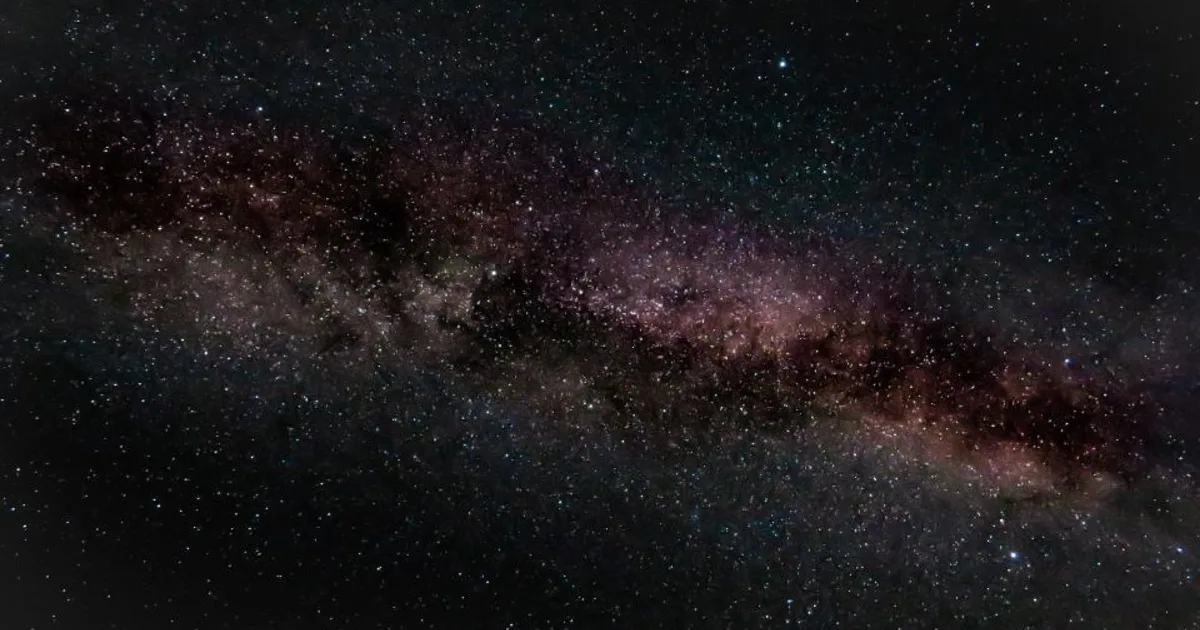
Almost everyone who falls into amateur astronomy starts the same way: standing outside, looking up, and slowly realizing the sky is not random. There is an order to it, and once you learn a handful of landmarks, the night opens up. The good news is that the first and most important tool is free. It is your own dark-adapted eyes.
This guide assumes you have no equipment and no background. The goal is to get you comfortable outdoors, find your bearings, and build the habits that make every later step easier.
Start with your eyes and a dark spot
Your eyes need time to adjust to darkness. When you first step outside, you see only the brightest stars. After about 20 to 30 minutes away from white light, your pupils widen and chemistry in your retina shifts, and far more stars appear. This is called dark adaptation, and protecting it is the single most useful skill a beginner can learn.
- Avoid looking at white phone screens. A single glance resets much of your night vision.
- If you need light, use a dim red flashlight, which preserves dark adaptation far better than white light.
- Pick the darkest spot you can reach safely, away from direct streetlights and porch lamps.
Learn the sky in layers
The fastest way to get lost is to try to memorize dozens of constellations at once. Instead, learn the sky in layers. Begin with the brightest, most reliable patterns and use them as signposts to find fainter ones nearby.
The Big Dipper is the natural starting point for northern observers because it is up for much of the year and points to Polaris. From there you can star-hop to neighboring constellations season by season. A printed monthly star chart or a planetarium app will tell you what is up tonight, but the patterns you learn by eye are the ones that stick.
Knowing what is a planet
Beginners often spot a brilliant "star" and wonder what it is. A quick rule of thumb: stars twinkle, while planets shine with a steadier light. The bright planets, especially Venus, Jupiter, and Saturn, are usually the most eye-catching points in the sky. NASA's monthly skywatching notes are a reliable way to learn which planets are visible in a given month.
Adding equipment later
There is no rush to buy anything. When you are ready, the best first purchase for most people is not a telescope but a pair of binoculars. They are forgiving, portable, and reveal craters on the Moon and the moons of Jupiter. We cover the reasoning in our guide to the best binoculars for stargazing.
And once you want a calendar of things to watch for, the meteor showers are a perfect next goal. Our Perseids 2026 guide walks through one of the easiest events of the year.
Build a simple observing habit
The observers who improve fastest are not the ones with the most gear; they are the ones who go out often. Treat stargazing as a habit rather than an event. Step outside for ten minutes on any clear night, even from a city sidewalk, and note one thing you can identify. Over a few weeks you will start to recognize how the same stars shift westward night to night and how the constellations change with the seasons.
Keeping a small notebook helps more than you might expect. Jotting down what you saw, the date, and the sky conditions turns scattered nights into a record you can learn from. It also makes it obvious when light pollution or haze, rather than your own skill, is the reason a faint object refuses to appear.
Common beginner mistakes
- Observing under a full moon and wondering why so few stars show. A bright moon washes out the faint sky.
- Buying a cheap, high-magnification telescope before learning the sky. Magnification claims on a box mean very little.
- Giving up after ten minutes. Dark adaptation alone takes longer than that.
Take it slowly, dress for the cold, and treat every clear night as practice. The sky rewards the patient observer more than the well-equipped one.
Sources & further reading
- NASA Skywatching: What's Up. Monthly visible-planet and observing highlights. science.nasa.gov/skywatching
- NASA Night Sky Network. Beginner resources and local astronomy clubs. nightsky.jpl.nasa.gov
- DarkSky International. Dark adaptation and light-pollution basics. darksky.org