This Week's Sky
Solstice Week 2026: Short Nights, the Moon's South Pole, and What to Observe
The June solstice has arrived, handing the Northern Hemisphere its shortest nights of the year. Here is how to plan around the brief darkness, and where to look on the Moon as Artemis sets its sights on a giant southern basin.
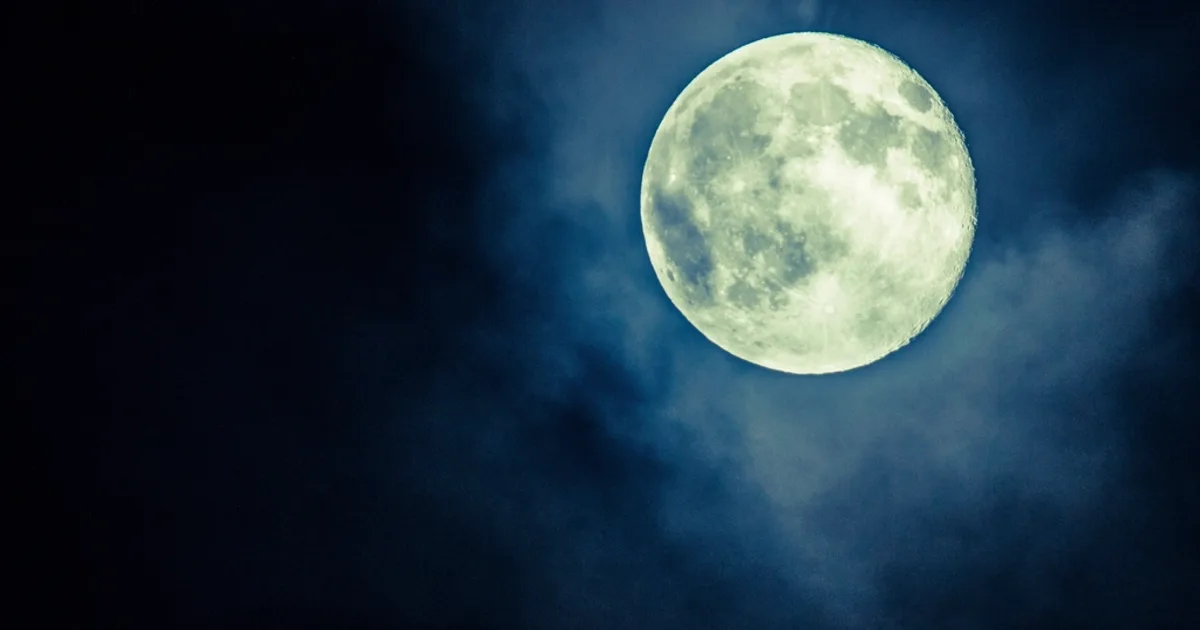
The June solstice fell on June 21, 2026, the moment the Sun reached its northernmost point in our sky. For those of us observing from Downeast Maine, near 44 degrees north, that means the longest day and, less happily for stargazers, the shortest night. The Sun sits highest, sets latest, and astronomical twilight barely ends before it begins again.
This is the trade we make every June. The good news is that short nights are not lost nights. With a little planning, the brief window of real darkness becomes a reason to be efficient rather than an excuse to stay in.
Why the nights feel so short right now
At our latitude the Sun never drops far enough below the horizon during late June for the sky to go fully black until well past 11 PM, and the first hint of dawn returns by around 3 AM. Between those two limits sits your real observing window: roughly three to four hours of usable darkness, narrowest in the week or two on either side of the solstice. As EarthSky notes, the solstice marks the turning point, so from here the nights slowly lengthen again, a few minutes at a time, all the way to December.
For planning, that means two things. First, decide your targets before you go out, because you will not have hours to wander the sky. Second, favor objects that ride high near the middle of the night, when they clear the worst of the horizon haze that the long Maine dusk leaves behind.
Turn your scope on the Moon's south
While the short nights nudge us toward easy targets, there is a timely reason to spend an evening on the Moon. Two new studies highlighted by EarthSky examine the South Pole-Aitken basin, one of the largest and oldest impact basins known anywhere in the solar system. It spans much of the Moon's far side and reaches toward the south pole, and it is a future landing region for NASA's Artemis astronauts.
You cannot see the basin itself from Earth, because it lies mostly on the far side. But you can look toward the region that frames it. When the Moon is near first quarter and the southern limb is well lit, aim a telescope at the cluttered, crater-stacked terrain near the south pole. The crowding of overlapping craters and the long shadows there are the visible edge of the same ancient, battered crust the new research is trying to read. Knowing that the next people on the Moon may walk near that pole makes a familiar view feel newly close.
A practical tip for lunar nights
The Moon is brightest and least interesting when full, because the Sun is shining straight down and casting no shadows. For detail, observe a few days before or after first quarter and follow the terminator, the line between lunar day and night, where relief is sharpest. A simple moon filter or just a smaller aperture helps tame the glare.
New to all of this? Our complete beginner's guide walks through how to start without any equipment, and if you are already counting toward August, our Perseids 2026 guide covers the year's signature meteor shower, when the lengthening nights are back on our side.
Short nights are a season, not a setback. Pick one or two targets, step out for the hour around 1 AM, and let the solstice be the start of the slow return to darker skies. You can read more about how we work on our about page.
Sources & further reading
- June solstice 2026: All you need to know. EarthSky. earthsky.org
- Artemis missions target South Pole-Aitken basin on the moon. EarthSky. earthsky.org
- NASA Skywatching: What's Up. Monthly observing highlights. science.nasa.gov/skywatching